What is human-AI teaming?
Human-AI teaming means people and AI working together, each doing what they do best. Here is what it means, how it differs from automation, and how to do it well.
Illustration: generated for Physis Systems
Human-AI teaming is when people and AI work together on a shared goal, each contributing what they do best. The AI handles speed, recall, and breadth, while the person brings judgment, context, and responsibility. Unlike automation, teaming keeps the human involved, so the combined result is better than either could manage alone.
What does human-AI teaming mean?
The idea is simple: treat AI as a teammate rather than a replacement or a black-box tool. A good teammate takes on part of the work, shares what it knows, and supports your decisions. You stay in charge of direction and the final call.
That framing changes how you use AI. Instead of asking "can the AI do this for me?", you ask "how can we do this better together?" The answer is usually a division of labor, not a handoff.
How is teaming different from automation?
Automation and teaming both use the same technology, but they set it up differently.
| Automation | Human-AI teaming | |
|---|---|---|
| Who does the work | The machine, on its own | Person and AI together |
| Role of the person | Set it up, then step away | Direct, check, and decide |
| Best for | Repetitive, well-defined tasks | Judgment, creativity, and ambiguous problems |
Automation is the right choice for many routine jobs. Teaming matters when the stakes, nuance, or uncertainty mean you want a person's judgment in the loop.
What does each side bring to the team?
AI tends to be good at: working fast, searching and summarizing large amounts of information, generating options, remembering details you have shared, and staying available at any hour.
People tend to be good at: knowing what actually matters, applying values and ethics, reading context the AI cannot see, spotting when something does not add up, and owning the outcome.
The strongest teams lean on both. A person who lets the AI draft, search, and remember can spend more of their attention on judgment and decisions.
What makes human-AI teaming work well?
A few principles show up again and again:
- Clear roles: decide what you want the AI to do and what you will do yourself.
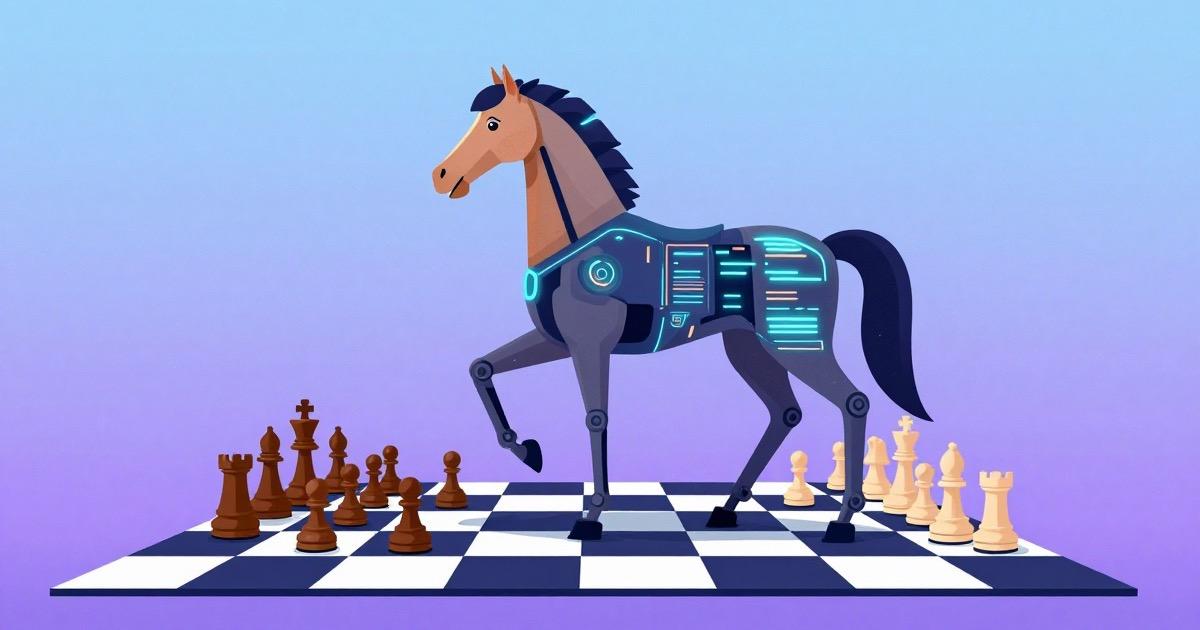
- Good process: how you work with AI matters as much as how powerful it is, a lesson chess players learned early.
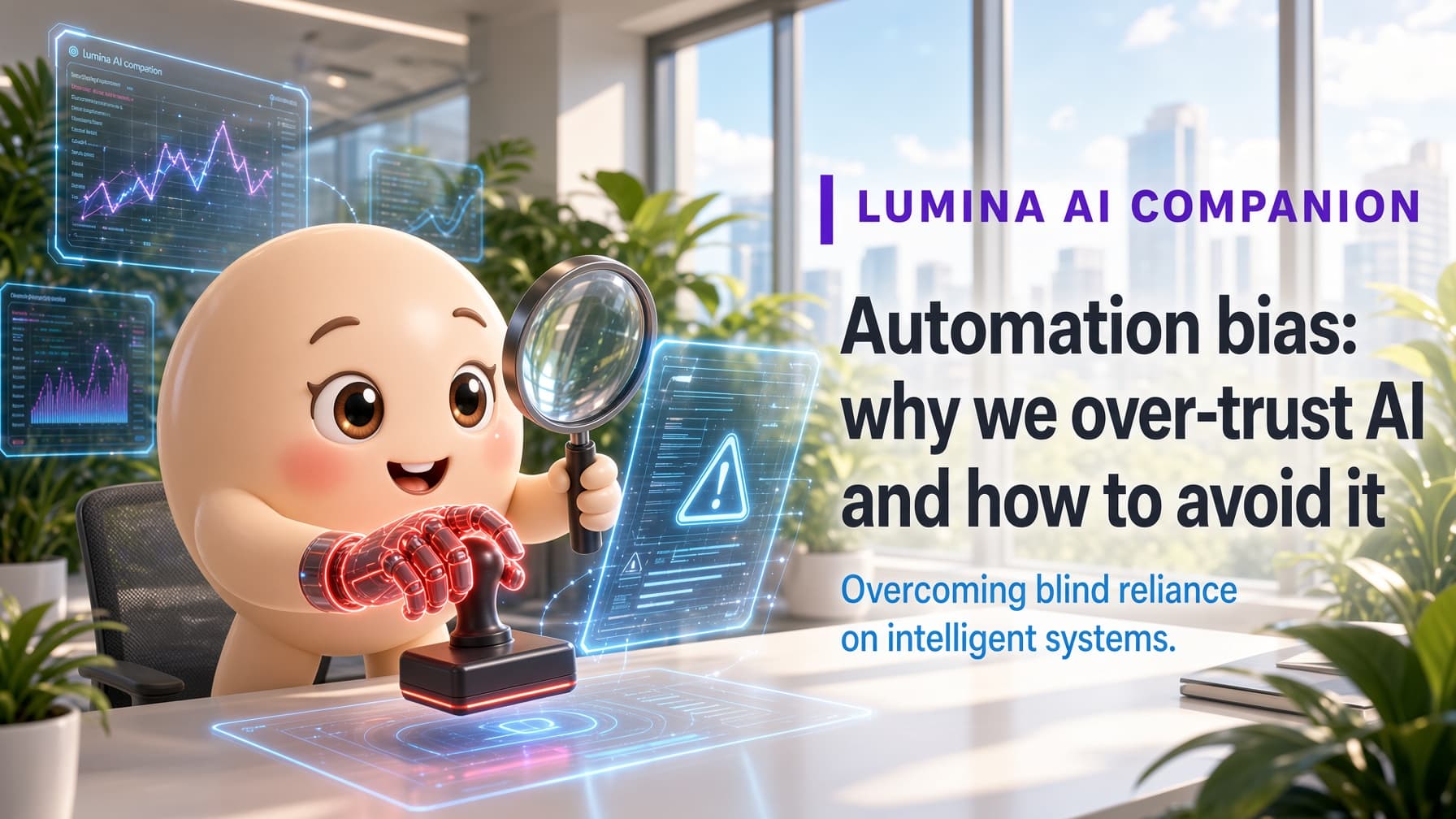
- Calibrated trust: rely on AI where it is reliable, and check its output where it is not.
- Transparency: you should be able to see why the AI suggests what it does, and what it knows about your situation.
- Continuity: a teammate that remembers past work saves you from starting over every time.
How does an AI companion fit into human-AI teaming?
Teaming is not only for workplaces. An AI companion can be an everyday teammate: a thinking partner for decisions, a place to reflect, and help with practical things like priorities and notes.
Lumina AI Companion from Physis Systems is built for that kind of ongoing partnership. It keeps a persistent, user-scoped memory across sessions, so it builds on what you have shared instead of starting fresh each time. That memory is visible and explorable through the Living Neural Map, so you can see what your teammate knows. For the bigger picture on why continuity matters, read The orchestration layer: why the next AI apps won't be wrappers.
How can you try Lumina?
Lumina: AI Companion is available on Android through Google Play. Download Lumina on Google Play and try an AI teammate that remembers your context. The iOS version has been submitted to the App Store and is waiting for review.
Frequently asked questions
Is human-AI teaming the same as automation?
No. Automation hands a task to a machine to do on its own. Teaming keeps a person involved, combining human judgment and context with what the AI does well, so the result is better than either would manage alone.
What are humans better at than AI in a team?
People bring judgment, values, accountability, and context about goals and situations that the AI cannot see. They decide what matters, notice when something is off, and take responsibility for the final call.
Do you need technical skills to team with AI?
Not usually. The most useful skills are clear communication, knowing what you want, and the habit of checking AI output instead of accepting it automatically. Those matter more than technical knowledge for most everyday teaming.