When will Voyager 1 be one light-day from Earth, and what does it mean?
On November 18, 2026, NASA's Voyager 1 becomes the first human-made object to reach one light-day from Earth. Here is what that distance means and how the 49-year-old probe is holding up.
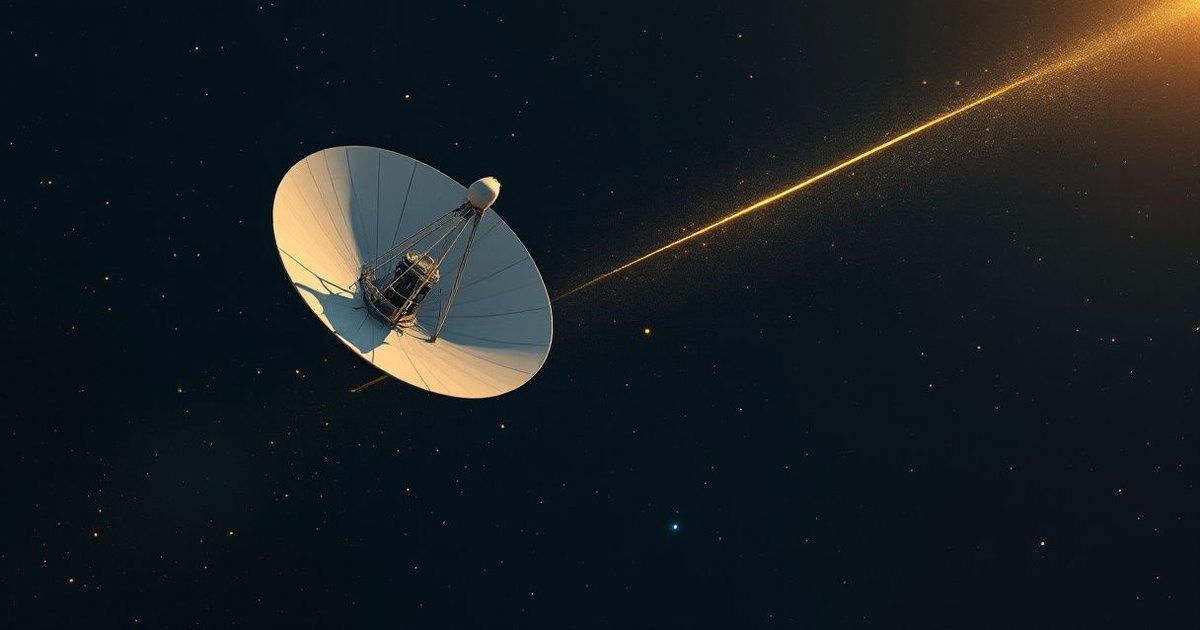
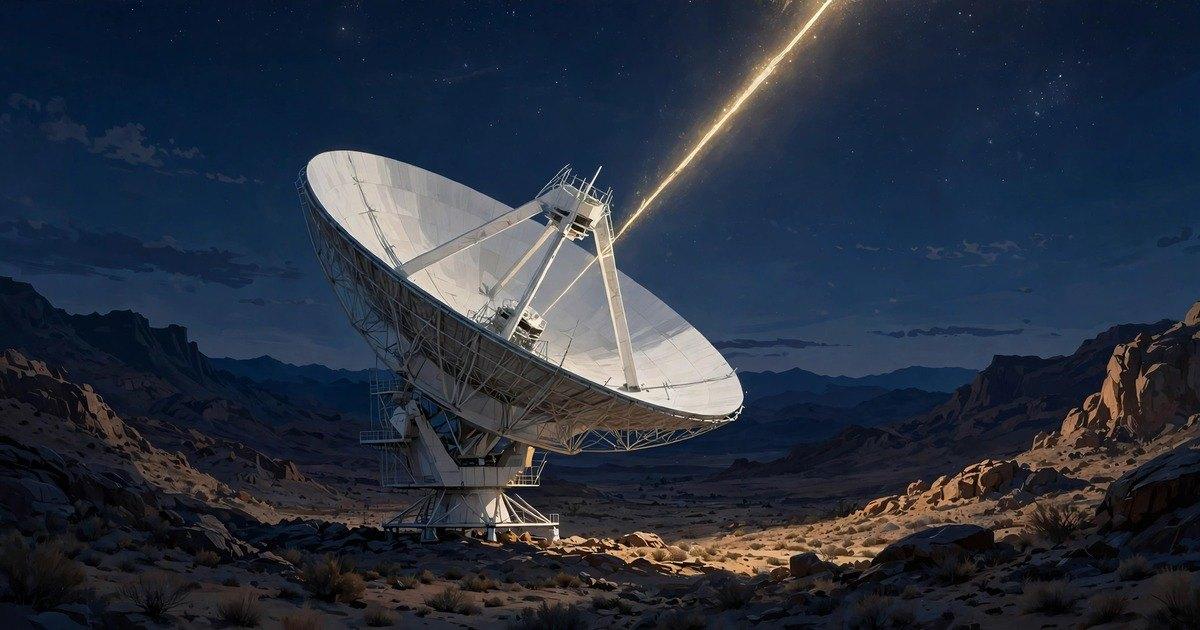
Short answer: On Wednesday, November 18, 2026, at 5:16:07 a.m. EST, NASA's Voyager 1 spacecraft will be one light-day from Earth, about 16.1 billion miles (25.9 billion kilometers) away. It will be the first human-made object to reach that distance. From then on, a radio command from Earth takes a full day to reach it, and its reply takes another full day to come back.
The primary sources for this article are NASA's explainer What Is a Light-Day?, NASA's Where Are Voyager 1 and Voyager 2 Now? tracker, and the Jet Propulsion Laboratory release NASA's Voyager 1 Conserves Power, Resolves Brief Communications Pause from October 29, 2026.
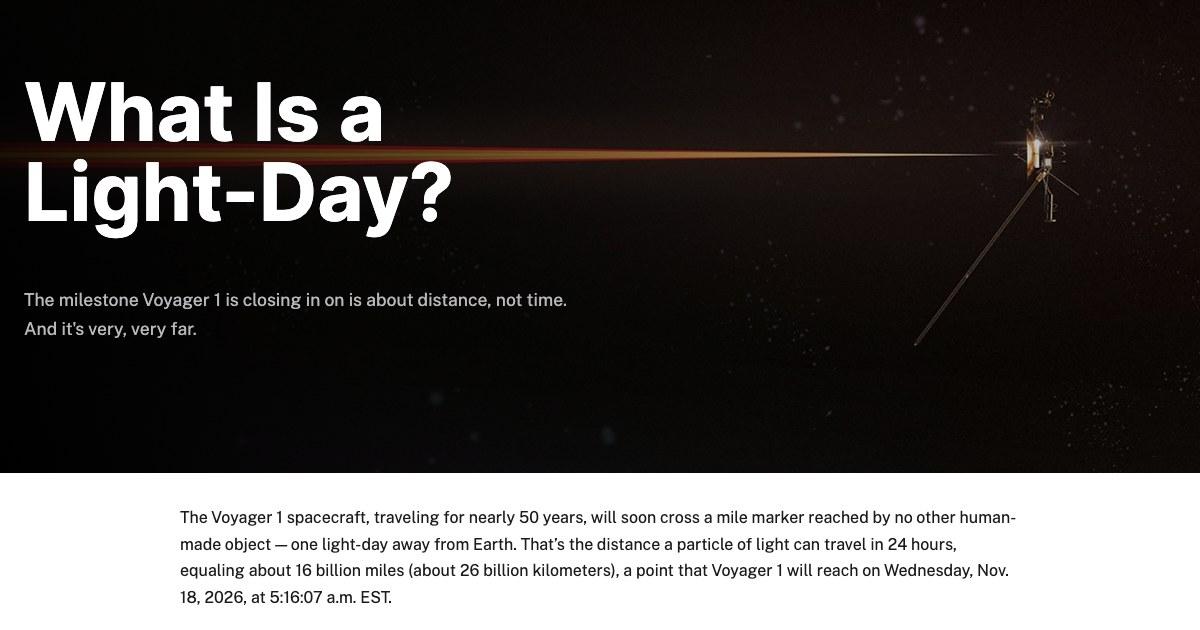
What is a light-day?
A light-day is a distance, not a length of time. It is how far light travels in 24 hours. NASA puts it at 16,094,799,096 miles (25,902,068,356 kilometers).
For scale, sunlight takes a little over eight minutes to reach Earth. Voyager 1 is heading for a point so far away that light itself needs a whole day to get there.
When exactly will Voyager 1 cross one light-day?
NASA gives the moment as Wednesday, November 18, 2026, at 5:16:07 a.m. EST, which is 2:16:07 a.m. PST.
Voyager 1 launched on September 5, 1977, two weeks after its twin, Voyager 2. NASA calculates that by the crossing it will have taken 49 years, two months, and 11 days to travel one light-day. It is moving at nearly 38,000 miles per hour (61,000 kilometers per hour).
Will anything actually happen to the spacecraft?
No. NASA notes that crossing the one-light-day mark produces no physical change in the spacecraft or its surroundings. The milestone is about distance and what that distance means for staying in touch.
What does a one-day signal delay mean for the mission team?
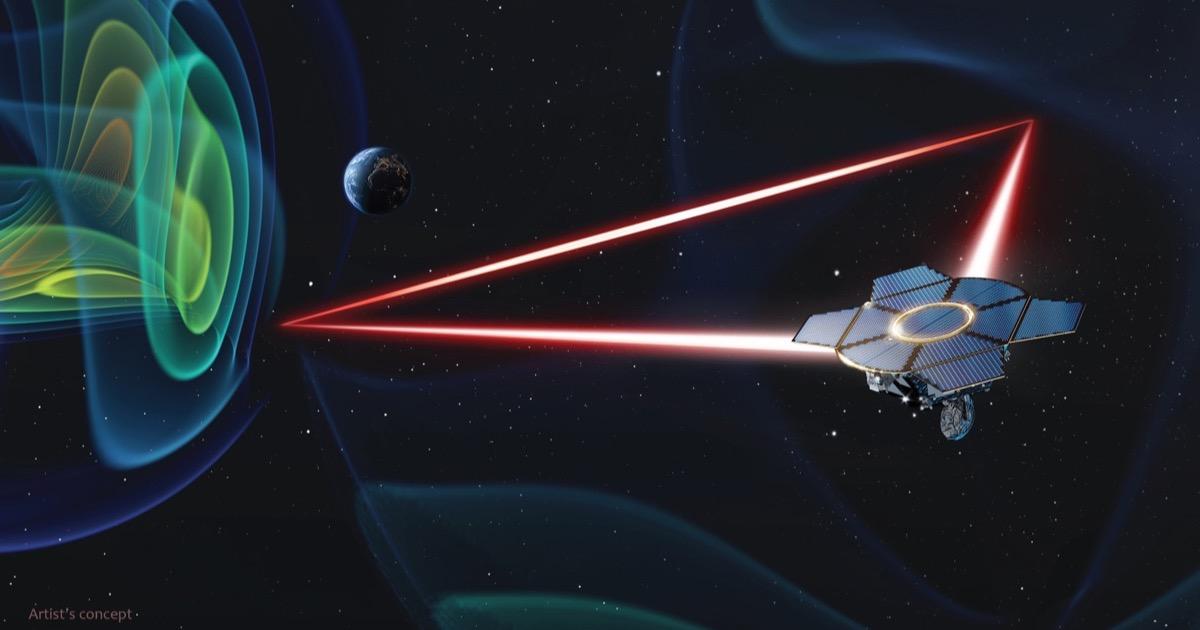
Every exchange with the spacecraft now takes two days. A command sent from Earth takes 24 hours to reach Voyager 1, and the spacecraft's answer takes another 24 hours to come back. Those signals travel through NASA's Deep Space Network, which uses large antennas at three facilities around the globe.
Suzanne Dodd, Voyager project manager at JPL, described the rhythm in the October release: "you send your message and then you go home and you wait two days before you finally get a response."
Why did Voyager 1 go quiet in October?
According to JPL, the Deep Space Network did not detect Voyager 1's signal during two scheduled attempts, 24 hours apart, on October 18 and 19, 2026. The signal reappeared on October 20.
JPL said the team had so far determined that one group of thrusters went offline and their backups turned on. The switch happened automatically through the spacecraft's fault protection, which puts Voyager 1 into a safe, stable configuration and pauses normal operations when something goes wrong. Kareem Badaruddin, Voyager mission manager at JPL, said the team is "at a point in the mission where we have to expect the unexpected."
How much longer can Voyager 1 keep working?
NASA has not given an end date, and the answer comes down to power. According to NASA, each Voyager probe loses about 4 watts of power every year, so the team keeps finding ways to spend less.
- The "Big Bang" swap: In early September 2026, engineers turned off three devices on Voyager 1 that help keep the spacecraft warm and replaced them with three lower-power alternatives. They had made the same swap on Voyager 2 about six weeks earlier. JPL says that without it, the team would have needed to turn off another Voyager 1 instrument as early as summer 2027.
- Instruments still running: Voyager 1 launched with 10 science instruments. Two are still operating: one that listens to plasma waves and one that measures magnetic fields. NASA turned off the Cosmic Ray Subsystem on February 25, 2025, and the Low-Energy Charged Particle instrument on April 17, 2026, to save power.
What do we know, and what is still open?
What is confirmed: the date and time of the crossing, the distance, the 48-hour round trip, and the probe's return to contact on October 20.
What is not yet known: the root cause of the October thruster switch, which JPL said was still under investigation as of its October 29 release, and how long Voyager 1's power will last. We will update this article if NASA publishes new findings.
What comes next for the Voyager probes?
Voyager 1 and Voyager 2 are the only spacecraft ever to operate outside the heliosphere, the bubble of particles and magnetic fields that the Sun blows around itself. They are leaving the solar system in different directions, and NASA says Voyager 2 is on pace to reach one light-day from Earth in November 2035.
You can follow the live distance on NASA's Where Are Voyager 1 and Voyager 2 Now? page. For more stories from the frontier of research, visit the Physis Systems blog.
About Physis Systems
Physis Systems (Physis Defense Systems, Inc.) builds Inventi Matrix, an invention engineering platform available in the United States and Canada at inventimatrix.com, and Lumina AI Companion, a personal AI companion you can meet on the Lumina page.
Frequently asked questions
How far is one light-day?
A light-day is the distance light travels in 24 hours. NASA puts it at 16,094,799,096 miles, or 25,902,068,356 kilometers, which is about 16.1 billion miles.
Is Voyager 1 the farthest human-made object from Earth?
Yes. According to NASA, Voyager 1 has traveled farther than any other human-made object, and on November 18, 2026, it becomes the first to reach one light-day from Earth.
How long does it take to send a message to Voyager 1?
At one light-day, a radio command from Earth takes 24 hours to reach Voyager 1, and the spacecraft's reply takes another 24 hours to come back, so a full exchange takes 48 hours.
When will Voyager 2 reach one light-day from Earth?
NASA says Voyager 2, which travels in a different direction, is on pace to reach one light-day from Earth in November 2035.