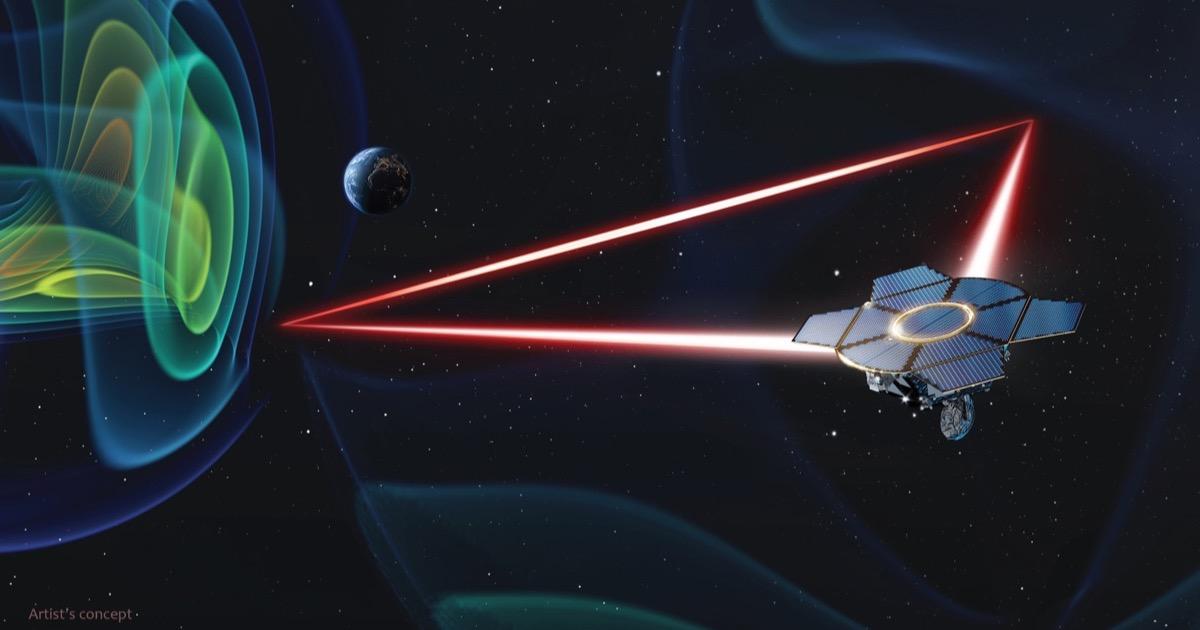
How could gravitational waves reveal new planets?
Two NASA-led studies show how the future LISA observatory could find planets orbiting pairs of white dwarfs, by spotting the tiny wobble a planet leaves in their gravitational waves.
5 posts tagged #NASA.
Two NASA-led studies show how the future LISA observatory could find planets orbiting pairs of white dwarfs, by spotting the tiny wobble a planet leaves in their gravitational waves.
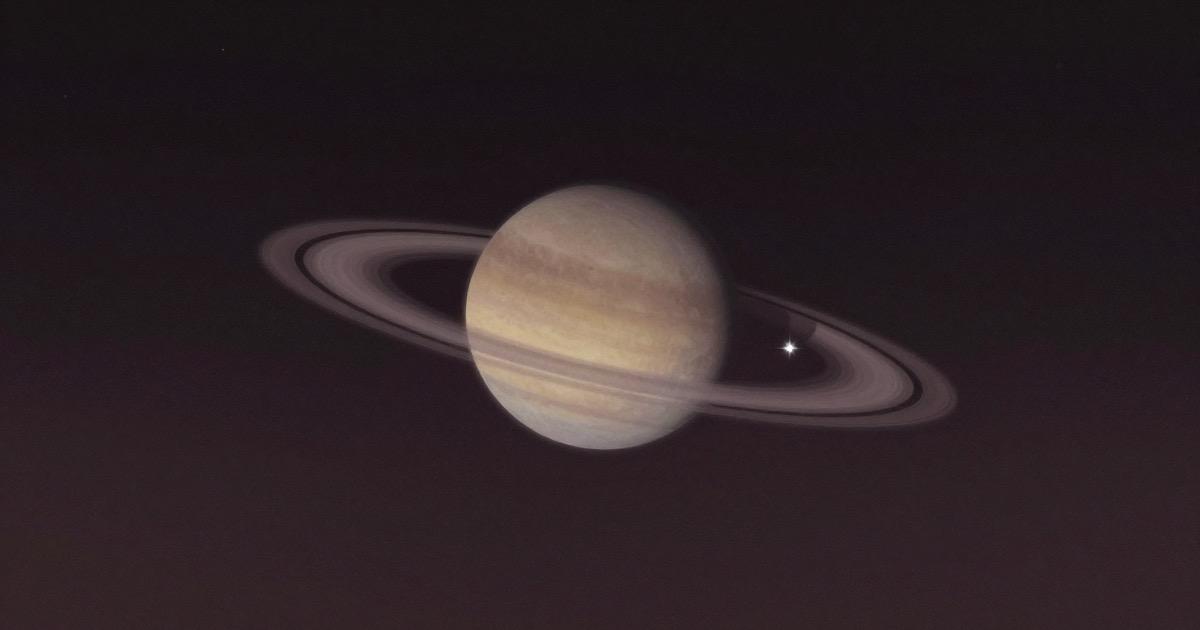
Saturn does not vanish. The Moon passes in front of it, an event called an occultation. NASA's Astronomy Picture of the Day for November 10, 2026 shows one, photographed from Sardinia, Italy.
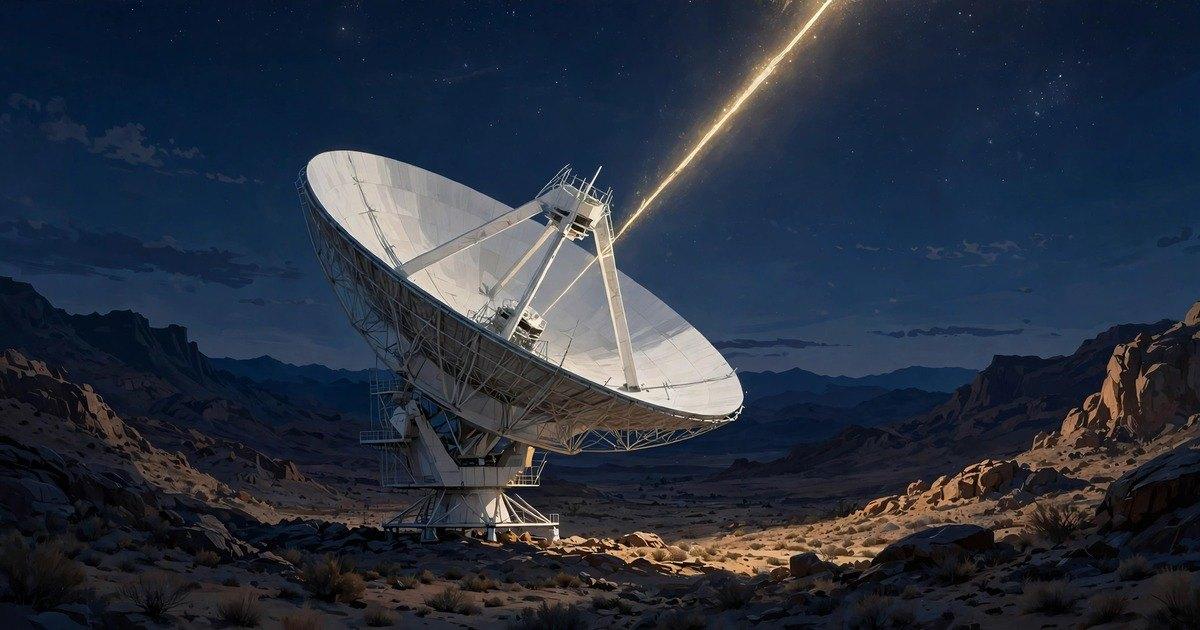
NASA talks to distant spacecraft through the Deep Space Network: giant radio antennas at three sites about 120 degrees apart, so one is always facing the sky where a spacecraft is. Here is how it works.
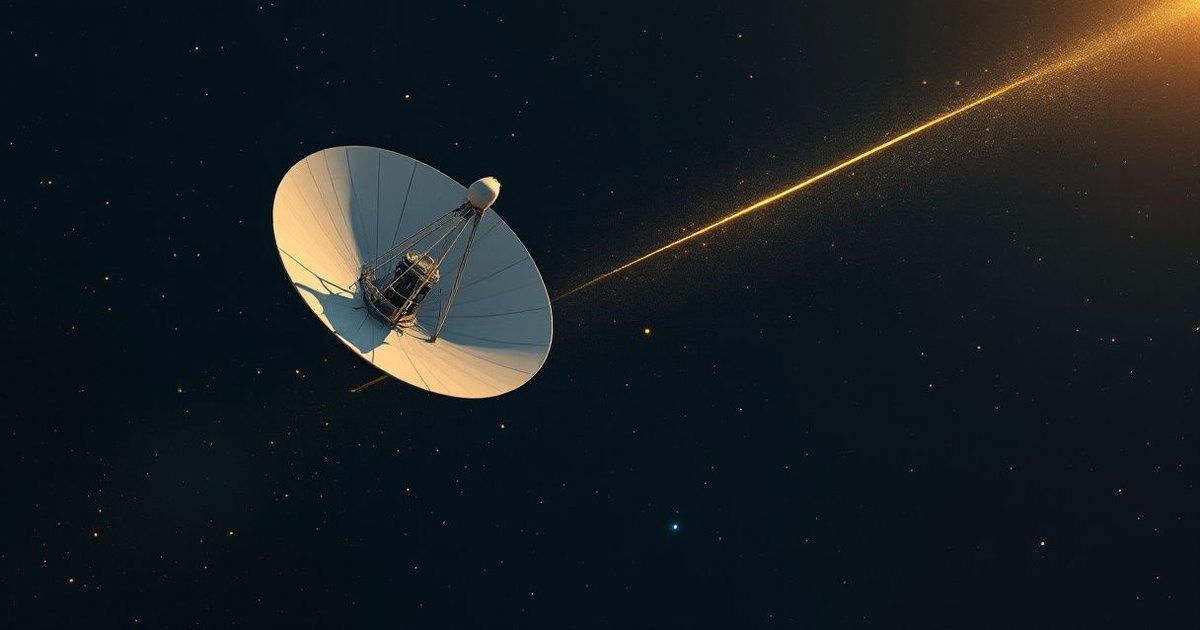
On November 18, 2026, NASA's Voyager 1 becomes the first human-made object to reach one light-day from Earth. Here is what that distance means and how the 49-year-old probe is holding up.
A technology readiness level (TRL) is NASA's nine-step scale for how mature a technology is, from basic research at TRL 1 to flight proven at TRL 9. Here is each level in plain language.